Is GAMCA the same as medical certificate attestation?
GAMCA or Wafid is linked to visa medical screening. Medical certificate attestation is legalisation of a medical document.
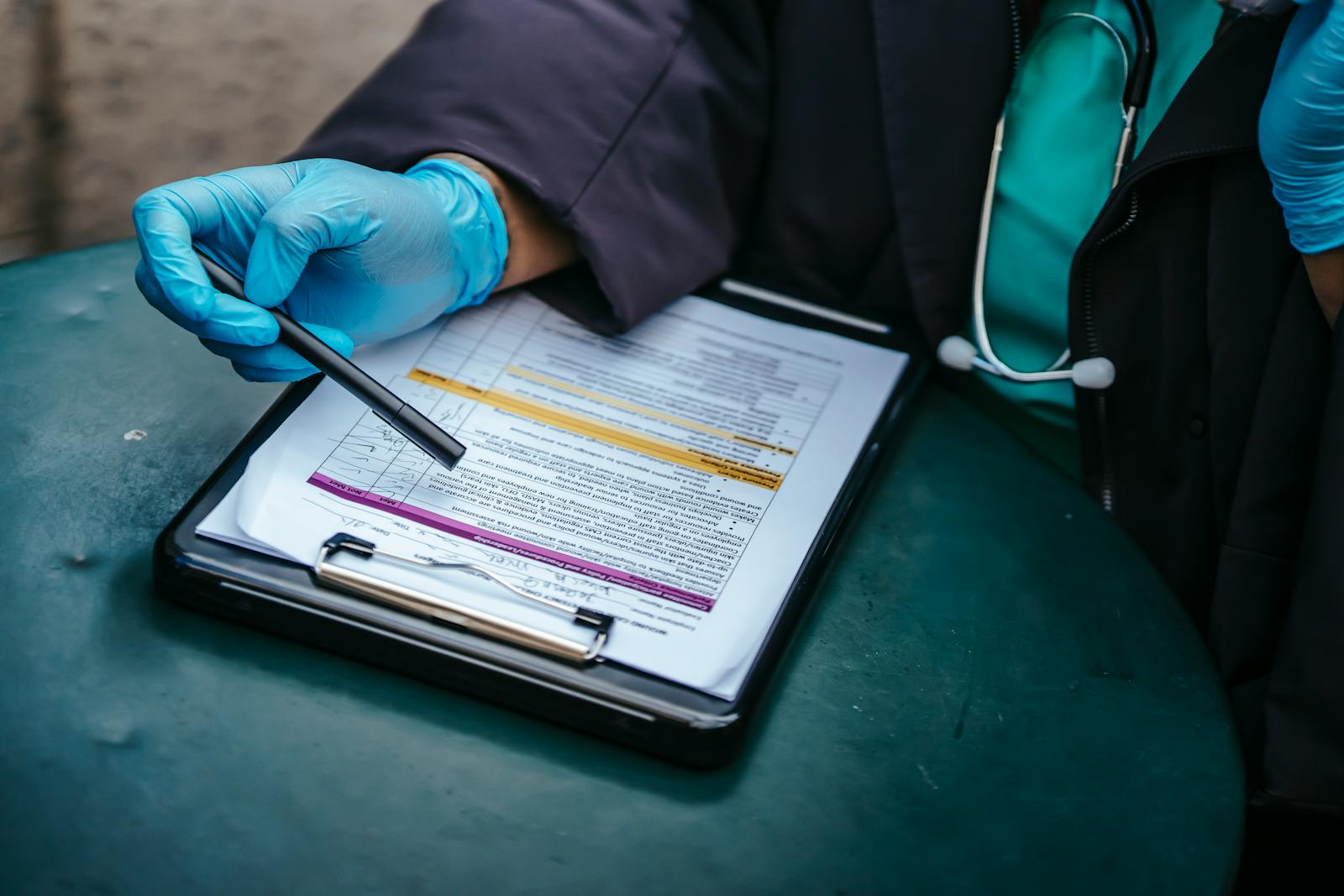
Medical documents confuse people because the same phrase can mean three different things.
Someone may say "medical certificate for visa" and mean a doctor-issued certificate. Someone else may mean GAMCA or Wafid medical for Gulf travel. A third person may mean medical certificate attestation for embassy use.
This guide keeps it simple.
| Question | Simple answer |
|---|---|
| What is a medical certificate? | A doctor, hospital or medical authority issued document |
| What is GAMCA / Wafid? | A Gulf medical appointment and report system used for many GCC visa categories |
| What is medical certificate attestation? | Legalisation of a medical document for foreign use |
| Is it always needed? | Not always. It depends on country, visa type and authority |
| Should I apostille it? | Only if the destination accepts apostille and asks for it |
Start with the document itself. Is it a medical fitness certificate from a doctor? A hospital report? A vaccination certificate? A GAMCA/Wafid slip? A state medical council good standing certificate? A nursing registration certificate?
Each one can follow a different path.
This is why SiZA Global Solutions Private Limited asks for a scan before giving a process. Without the scan, anyone can only guess.
GAMCA is the older name many people still use. Wafid is the platform people now commonly use for Gulf medical appointments and reports.
For many Gulf visa categories, the candidate must complete an approved medical test through the accepted system. The report is not the same as a normal doctor certificate from your neighbourhood clinic.
GAMCA/Wafid is usually about visa medical fitness. Attestation is about legalising a document.
Use the official Wafid booking portal to check whether the destination and visa category appear in the live process. Do not rely on an old country list or assume every Gulf visa uses the same medical screening.
The exact need depends on the visa category, consulate instruction and employer or sponsor guidance. Do not assume a family visa, work visa, student file and visit visa all need the same medical step.
Medical certificate attestation may be needed when a doctor-issued certificate or medical record must be used before an embassy, employer, school, court or foreign authority.
The path depends on who issued the document. A hospital certificate, state medical council certificate, nursing council certificate and government medical certificate may not have the same first authority.
Libya visa files may ask for medical or health-related documents depending on the visa type and current embassy instruction. The document may need attestation or legalisation before use.
The safe way is to check the exact Libya visa checklist and the certificate source. A plain medical fitness certificate and a lab report are not always treated the same way.
Saudi files can include Wafid medical for visa medical fitness and separate document verification or attestation for education or employment papers.
If the question is "Do I need medical certificate attestation for Saudi?" the answer depends on what certificate you mean. A Wafid medical report is not handled like a degree certificate. A doctor-issued medical certificate for another purpose may need a separate attestation path.
Kuwait can involve medical fitness, embassy attestation, healthcare documents and family or work visa paperwork. Nurses may also deal with HSC certificate attestation, good standing certificate attestation and degree certificate attestation.
So again, the document name matters. Kuwait Embassy Attestation for a degree is not the same as a Gulf medical report.
An apostille may be needed when the destination is a Hague country, the document is eligible for apostille and the receiving authority asks for legalisation. MEA apostille normally takes 2 to 4 working days after the document has the accepted prior check. A qualifying urgent file can be completed in about 24 hours on a working day. Issuer verification, correction and translation sit outside that short MEA time.
For example, a medical certificate for a European university or employer may need apostille if the receiving authority asks for legalised medical records. Some files may also need certified translation after apostille.
UAE files can include medical fitness tests done under UAE systems after arrival or before employment processing. Separate Indian medical documents may need attestation only if the employer, authority or visa file asks for them.
Healthcare professionals may also need DataFlow linked to DHA, MOHAP or DOH Abu Dhabi. That is Primary Source Verification, not legalisation of a medical fitness document. The PSV and legalisation guide keeps those tracks separate.
A nurse from Telangana may have a Kuwait file with HSC certificate, nursing degree, registration, experience letter, good standing certificate and medical steps.
If she asks only "Do I need medical attestation?" the answer is incomplete. We need to see whether the medical part is Wafid, a doctor certificate, a good standing certificate or a nursing council document. Each has a different job.
A student from Noida may get a university request for a medical fitness certificate. The university may also ask for apostille and translation.
In that case, he should not get a random translation first. He should confirm whether the medical certificate must be issued by a specific doctor or government hospital, then apostille the right document, then translate the final apostilled document if required.
These three are often mixed up.
A medical certificate is usually issued by a doctor, hospital or medical authority. It may say the person is fit, vaccinated, free from certain diseases or medically examined for a stated purpose.
GAMCA or Wafid is a Gulf medical screening route. It is tied to approved centres and visa categories. It is not the same as a normal doctor's certificate.
A good standing certificate is professional proof. Nurses, doctors and other healthcare workers may need it from a council or regulator. It speaks about registration and conduct, not medical fitness.
Once you separate these three, the questions become easier.
Saudi Arabia may involve Wafid medicals for visa fitness and separate Saudi PSV or attestation for education documents. Kuwait may involve medical screening, Kuwait Embassy Attestation for education or civil documents, and healthcare credential checks. UAE may involve local medical fitness steps and DataFlow for DHA, DOH or MOH UAE for healthcare licences.
Libya can ask for medical or health documents depending on the visa type and current embassy instruction. European universities may ask for medical fitness certificates, apostille and translation. The same Indian medical certificate may be treated differently by Spain, France, Poland or Italy.
So the destination country matters, but the exact document matters more.
Do not get a certificate from the nearest clinic until you know the requirement. Some authorities accept a registered medical practitioner. Some ask for a government hospital. Some ask for a specific format. Some require test reports along with the certificate.
If the certificate needs apostille or embassy attestation, the issuing source and signature become important. Stamps, registration numbers and letterhead should be readable. A beautiful certificate with missing doctor details can still become a problem.
If the medical certificate needs apostille, translate after apostille when the receiving authority wants the apostille text translated. If it needs embassy attestation, ask whether the final embassy stamp also needs translation.
This timing mistake is common with Spain, France, Italy and other European files. Applicants translate first because it feels like the easy step. Then the legalisation stamp comes later, and the translation no longer shows the final document.
SiZA Global Solutions Private Limited checks the name, passport match, issuing doctor or hospital, date, stamp, registration number, purpose line, destination country and whether any checklist mentions apostille, embassy attestation or translation.
For healthcare workers, we also check whether the document is actually a medical certificate, a good standing certificate, a registration certificate or an experience certificate. These sound similar when someone is stressed, but they follow different routes.
MEA apostille for eligible documents can often be faster than state HRD or university verification. Embassy attestation depends on destination and document type. Wafid medicals depend on appointment, centre and report status. Translation can be quick only when the final legalised version is ready and readable.
So when someone asks, "How many days?", the right answer starts with the document scan and the destination. A birth certificate apostille, medical certificate attestation and Saudi healthcare file do not share one timeline.
A worker usually asks, "Will this delay my visa stamping?" That file may include Wafid, medical fitness, PCC attestation, degree certificate attestation and employer forms.
A student usually asks, "Will the university accept this certificate?" That file may include a medical fitness certificate, apostille, certified translation or sworn translation. The student may also have a tight VFS date.
A family applicant usually asks, "Do my spouse and child need medical papers too?" That depends on country, age, visa type and sponsor instruction. A Kuwait family file, Saudi family file and European family reunion file may not ask for the same medical documents.
So the same phrase, medical certificate for visa, can mean three different customer problems.
If the authority has given a format, use that format. Do not ask the doctor to write a general fitness note if the checklist wants specific tests, passport number, photo, registration number or hospital seal.
If the certificate is for a European university, tell the doctor it may need apostille and translation. If it is for a Gulf employer, check whether Wafid or another approved medical route is required instead. If it is for Libya, Saudi or Kuwait, check the current visa instruction before the certificate is issued.
The doctor can only write what you ask for and what the medical record supports. A vague certificate is harder to legalise and harder for the foreign office to read.
For review, a scan is enough. For some apostille and embassy attestation cases, the original medical certificate may be needed. For sworn translation, the final apostilled or attested scan may be enough to prepare translation, but some authorities still want stamped hard copies.
This is why we separate review, legalisation and translation. Each stage may have a different document movement rule. It is boring, but it saves the file from being sent back because the stamp sequence is incomplete.
Sometimes the checklist asks for more than one health-related document. A nurse may need Wafid medical, nursing registration, good standing certificate, experience certificate and DataFlow verification. A student may need a medical fitness certificate plus vaccination proof. A worker may need a medical test report and a separate employer declaration.
These papers should not be bundled under one label. If the employer asks for medical certificate attestation, we check the certificate. If the licensing authority asks for DataFlow, we check the professional papers. If the embassy asks for apostille and translation, we check the final stamp sequence.
That small separation makes the file easier for the applicant and easier for the foreign office to read.
Send the scan of the medical document, passport, destination country, visa type and any checklist from the employer, university, embassy or VFS.
SiZA Global Solutions Private Limited can then tell you whether the document needs medical certificate attestation, apostille, certified translation, embassy attestation or only a visa medical appointment through the accepted system. The medical document attestation service page explains the India-side handover in more detail.
Medical documents are not one single process. GAMCA/Wafid is a medical screening system. Medical certificate attestation is legalisation. DataFlow is source verification. Apostille is for Hague-country legalisation.
Once you separate these ideas, the file becomes much easier to handle.
GAMCA or Wafid is linked to visa medical screening. Medical certificate attestation is legalisation of a medical document.
It depends on the certificate and visa type. A Wafid medical report is different from a doctor-issued medical certificate or a professional good standing certificate.
A medical certificate can be apostilled if it is an eligible public document or properly verified document and the destination asks for apostille. The first authority depends on the issuing source.
It can, but only when the Kuwait file asks for a medical or healthcare document to be attested. Degree, HSC, good standing and medical records may follow different steps.
Send the scan, passport, destination country, visa type and checklist. The process cannot be confirmed accurately from the document name alone.
Use these official pages to confirm current requirements before submission.
Need help with your documents?