A senior offshore wind engineer from Suzlon Energy Pune, MTech Energy Systems Engineering from IIT Bombay 2014, BTech Electrical Engineering from VJTI Mumbai 2012, eight years at Suzlon's offshore-wind development pipeline including the proposed Gujarat 1 GW offshore wind project, with a Siemens Gamesa offer for a senior offshore wind turbine engineering role at the Hamburg office working on the North Sea Hohe See and Borkum Riffgrund expansion programmes in hand. EUR 92,000 base on an EU Blue Card. The Siemens Gamesa HR file in Hamburg needed mandatory APS verification of his IIT Bombay MTech (the Akademische Pruefstelle step at the German Embassy Delhi, required for all Indian Bachelor's and Master's degree holders since January 2024), MEA apostille on his IIT Bombay MTech degree and transcript, MEA apostille on his VJTI BTech, MEA apostille on his class-twelve Maharashtra State Board certificate, certified German translation by a court-sworn vereidigter Uebersetzer of all the above, MEA apostille on his marriage certificate from the Pune Sub-Registrar, and a fresh PCC from the Pune Passport Seva Kendra Vimannagar. The Maharashtra HRD step ran through the State Higher Education Department Mantralaya Mumbai. MEA apostille at Patiala House Delhi. Seven weeks from APS interview booking to his Schengen national visa being stamped at the German Embassy Delhi. The typical arrival is at Hamburg in November 2026 for the offshore wind team start.
That sequence is the sequence behind most Indian renewable-energy engineer moves to Germany in 2026. Germany's Energiewende, the country's energy transition away from coal and nuclear toward renewables, has created the strongest sustained demand for renewable energy engineers in Europe. The phase-out of nuclear was completed in April 2023. The phase-out of coal is targeted for 2030. Renewable capacity additions on solar PV, onshore and offshore wind, battery storage, grid integration and green hydrogen all need engineering talent at scale. The German renewable energy industry hires Indian electrical, electronics, mechanical, energy systems and chemical engineers across Siemens Energy, Nordex, Enercon, Vestas Germany, SMA Solar Technology, Wacker Chemie (polysilicon for solar PV), Q Cells (now Hanwha Q Cells with German R&D), Linde (green hydrogen), Thyssenkrupp Nucera (electrolysers), the large utilities (EnBW, E.ON, RWE Renewables, Vattenfall Germany, Iberdrola Germany) and the offshore wind developers (Orsted Germany, Iberdrola, EnBW Hohe See).
Which German employers hire Indian renewable energy engineers?
Germany's energy transition is the largest sustained driver of renewable-engineering hiring in Europe. The nuclear phase-out completed in April 2023. The coal phase-out is targeted for 2030. The renewable capacity additions on solar PV, onshore and offshore wind, battery storage, grid integration and green hydrogen all need engineering talent at a scale German universities cannot produce alone.
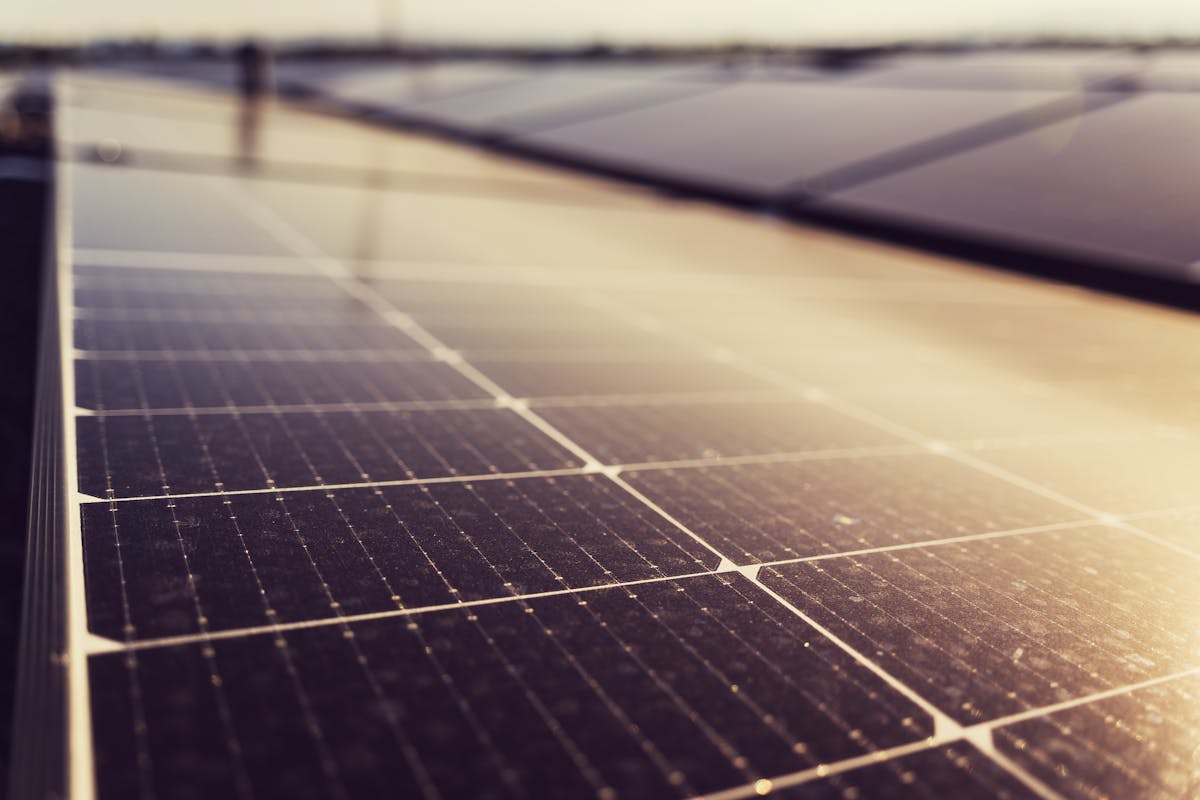
Solar PV
Solar PV hiring concentrates at SMA Solar Technology (Kassel), Wacker Chemie (polysilicon for solar PV cells, Burghausen), Q Cells (now Hanwha Q Cells, with German R&D in Thalheim), Enercon's solar-storage hybrid systems, and the utility solar teams at EnBW Solar, E.ON Energy and RWE Renewables. Indian engineers from Tata Power Solar, Adani Green, ReNew Power, Vikram Solar, Waaree Solar, JSW Energy and the Indian R&D centres of First Solar, Sungrow and Trina Solar move into these roles.
Onshore and offshore wind
Wind hiring concentrates at Siemens Gamesa (Hamburg and Bremerhaven for offshore), Nordex (Hamburg), Enercon (Aurich, onshore), Vestas Germany, and the offshore wind developers Orsted Germany, Iberdrola Germany and EnBW Hohe See. The North Sea Hohe See, Borkum Riffgrund and the proposed North Sea Wind Power Hub absorb most senior Indian offshore wind engineers. Suzlon Energy Pune, Inox Wind, ReGen Powertech and the Indian R&D centres of Vestas and Siemens Gamesa are the standard feeder employers.
Green hydrogen and electrolysers
Green hydrogen and electrolyser hiring concentrates at Thyssenkrupp Nucera (Dortmund, the world's largest electrolyser manufacturer by deployed capacity), Linde Engineering (Pullach, green hydrogen liquefaction and distribution), Siemens Energy hydrogen division, and the BASF green chemistry programmes. Indian chemical engineers from BPCL, IOCL, Reliance and the Tata Chemicals hydrogen R&D group move here.
Grid integration and battery storage
Grid integration and battery storage hiring concentrates at Siemens Smart Infrastructure, ABB Germany power grids, Hitachi Energy Germany, the four German Transmission System Operators (50Hertz, Amprion, TenneT, TransnetBW), and the larger utilities. Indian protection-and-control engineers from PowerGrid Corporation of India, NTPC, Tata Power Delhi Distribution and the Indian arms of ABB and Siemens are the feeder pool.
Which German work visa fits an Indian renewable energy engineer?
Three visas cover almost every move. The right one depends on whether you already hold a German offer.
EU Blue Card
Renewable engineering is on Germany's shortage occupation list, which keeps the Blue Card threshold at the lower band. The 2026 EU Blue Card thresholds are EUR 43,759.80 for shortage occupations (most renewable engineering roles fall here) and EUR 48,300 for non-shortage roles. Blue Card holders get permanent residence (Niederlassungserlaubnis) after 21 months with B1 German, or 33 months at A1. The official rules sit with Germany's Make it in Germany skilled-worker portal.
Chancenkarte (Opportunity Card)
The Chancenkarte, in force since June 2024, is the points-based job-seeking visa for candidates without a German offer in hand. It gives one year to interview at multiple German employers in person before committing. Indian senior renewable engineers planning to interview at Siemens Gamesa, Vestas Germany, Nordex, Orsted Germany and EnBW in the same trip use this one.
Forschungsvisum (research visa)
The Forschungsvisum covers PhD researchers and senior research professionals at the Fraunhofer Institute for Solar Energy Systems (Fraunhofer ISE Freiburg), Helmholtz Centre Berlin for Materials and Energy, the Max Planck Institute for Chemical Energy Conversion in Muelheim, and similar research bodies.
Is APS verification mandatory for renewable energy engineers?
Yes. APS verification through the German Embassy in New Delhi (the Akademische Pruefstelle) is mandatory for all Indian academic submissions to Germany, and has been since 2022. APS reads the Indian degree, marksheets and university transcripts and issues a verification certificate. The official portal is aps-india.de.
The APS process for a senior renewable engineer runs in four steps:
- APS Online portal submission with scans of the degree, all marksheets, transcript and identity proof.
- APS fee of EUR 200, payable by demand draft or online.
- In-person interview at the APS office at the German Embassy Chanakyapuri New Delhi.
- Certificate issued four to twelve weeks after submission, valid for three years.
For senior Indian renewable engineers with multi-year work histories at Tata Power Solar, Adani Green, ReNew Power, Suzlon Energy or similar, the APS interview focuses on the technical depth of the candidate's renewable-engineering work in addition to the academic credential verification. Bring project documentation to the interview.
What does German renewable HR read in the experience letter?
The experience letter is the single most common cause of file delay on a Germany renewable engineer file. German employers read it for project specifics, not job titles, so the detail below is what makes or breaks the document.
Solar PV engineers
For solar PV engineers, the experience letter should name the system sizes worked on (utility-scale at 100 MW or above, distributed at 1-50 MW, rooftop below 1 MW), the technologies (crystalline silicon, thin-film, bifacial, tracker systems), the inverter brands (Sungrow, Huawei, SMA, ABB), and the EPC project names. A letter that says "Senior Solar PV Engineer, Tata Power Solar, 2018-2024" is weaker than "Senior Solar PV Engineer, Tata Power Solar's utility-scale division Pune, October 2018 to March 2024, reporting to Head of Engineering. Worked on the Pavagada Solar Park Phase II 1.2 GW commissioning team with Sungrow string inverters and Nextracker single-axis tracker systems."
Wind engineers
For wind engineers, the experience letter should name the turbine OEMs (Vestas V162, Siemens Gamesa SG 14-222 DD, GE Cypress 5.5-158, Suzlon S133, Nordex Delta4000), the rotor diameters, the project sites, the project types (onshore, offshore) and the work performed (design, commissioning, O&M, blade engineering, control systems).
Grid integration engineers
For grid integration engineers, the experience letter should name the voltage levels (400 kV, 765 kV, HVDC), the protection systems, and the substation types worked on.
Green hydrogen engineers
For green hydrogen engineers, name the electrolyser technology (alkaline, PEM, SOEC), the production scale, and any prior work on hydrogen distribution or storage.
Which documents need apostille and German translation for Germany?
Germany has been a Hague apostille country for Indian documents since 1966, so the authentication is MEA apostille done entirely in India, never embassy attestation, alongside the German-specific APS verification step. For an engineering degree the educational certificate attestation runs degree attestation first, then apostille in Delhi, then certified translation.
Here is the full bundle and the time each step takes:
| Step |
Where |
Working days |
| State HRD attestation on the degree |
Issuing state's directorate (see below) |
5 to 14 |
| MEA apostille |
Patiala House Delhi counter |
3 to 5 |
| Certified German translation |
Court-sworn translator (vereidigter Uebersetzer) |
3 to 7 |
| APS verification |
German Embassy New Delhi, including interview |
4 to 12 weeks |
| PCC issue, then apostille and translation |
Regional Passport Office, then MEA |
7 to 14 at RPO, then 3 to 5 |
| Tracked return courier |
Inside India, or to German HR |
3 to 7 (India), 7 to 14 (Germany) |
The HRD attestation step happens at the state directorate that holds your university:
- Maharashtra Mantralaya Mumbai for COEP, VJTI and IIT Bombay
- Tamil Nadu DTE Guindy for IIT Madras and NIT Trichy
- Karnataka SHED Multistoreyed Building Bengaluru for IISc and RVCE
- Telangana SHED Tarnaka for IIIT Hyderabad and BITS Pilani Hyderabad campus
- Gujarat SHED Gandhinagar for NIRMA and DA-IICT
- Delhi DoE Old Secretariat for IIT Delhi and DTU
The certified German translation must come from a court-sworn translator (beeidigter Uebersetzer or vereidigter Uebersetzer) listed for German embassy use. The German Embassy in Delhi and German employers accept sworn translation from these translators only.
If everything is in order and APS moves at a normal pace, the whole process runs six to twelve weeks. The APS window is the longest single step. Start it early.
How does SiZA handle a Germany renewable engineer file from Noida?
When you first send us scans on WhatsApp at +91 9220161774, we read the documents for German Embassy and German renewable-employer fit. We tell you which documents need certified translation, where state-level degree attestation applies, when to start the APS process, and how the steps time against the Blue Card filing window. We share the realistic timeline and cost end to end before any payment is taken.
When the originals reach our Noida office at C-25, C Block, Sector 8, we handle the paperwork in India:
- State-level HRD attestation
- MEA apostille at Patiala House Delhi
- Certified German translation by a court-sworn translator
- Coordination of the APS submission and interview booking with the German Embassy Chanakyapuri
- PCC apostille and translation after the RPO issues the PCC
- Tracked return courier to you or directly to your German employer's HR address
We do not file the Blue Card or Chancenkarte. Your German employer files the Blue Card. The Chancenkarte is your own application. We do not run the APS interview (the APS office does that). We do not arrange the German consular interview at the German Embassy in New Delhi or its consulates. We do not handle Anerkennung in Germany. We do not handle anything inside Germany after you arrive.
For a free scan-review of your Germany renewable energy file, send a WhatsApp message to +91 9220161774 with photos of your engineering degree, your marksheets, your experience letters and the offer letter from your German employer.
Two more pages on this site worth reading: the Germany country documentation guide, apostille in India, and certified translation services.